Maple Leafs' Top Two Lines Show Divergent Performance Early in Season
The Toronto Maple Leafs' opening games of the 2026-27 NHL season highlight a significant performance gap between their top two forward lines. While the top unit has consistently driven play and created scoring chances, the second line has lagged, raising questions about the team's early-season roster construction and offensive effectiveness.
At even strength, the second line, featuring John Tavares, Gavin McKenna, and William Nylander, has faced challenges in maintaining zone possession and generating offense. In contrast, the top line has emerged as one of the NHL's strongest in terms of expected goals for production at even strength.
The disparity in performance is evident. One line controls the game and attacks dangerous ice areas, while the other is outshot, outcompeted, and outperformed.
Top Line Dominates Play
The Maple Leafs' top line of Kirill Marchenko, Auston Matthews, and Jack Roslovic has been highly effective at even strength. They've recorded a plus-10 shot differential through three games, ranking fourth among lines that have played at least 20 minutes together. More impressively, their slot-shot differential is plus-14, placing them first among qualifying lines and indicating they've created opportunities in high-danger areas.
Their expected goals percentage (xGF%) stands at an impressive 84.3 percent, also leading all qualifying lines. This metric suggests they are best at controlling the quality of scoring chances generated at even strength.
Despite this strong underlying performance, their goal differential is currently at zero. While they excel in most analytical categories, their actual scoring output has not yet outpaced their opponents. This could indicate that their current success is a precursor to more goals to come.
While these metrics don't guarantee sustained success, they point towards increased offensive production from this line as the season progresses.
Second Line Seeks Answers
The second line has experienced a different narrative. This unit has struggled to gain traction, posting a minus-10 shot differential at even strength. They rank 39th out of 40 lines playing at least 20 minutes together and are last in slot-shot differential, sitting at minus-eight.
Their expected goals percentage (xGF%) of 15.2 percent is a significant concern, placing them last among qualifying lines. This indicates that scoring chances have heavily favored their opponents when they are on the ice. On paper, the combination of McKenna, Tavares, and Nylander should yield different results.
Though their goal differential is only minus-three after three games, which hasn't significantly hurt the team yet, they also haven't provided a substantial offensive boost. A turnaround is needed soon.
Potential Need for Adjustments
It's important to acknowledge the small sample size. McKenna faces high expectations, and the Maple Leafs have considerable hopes for their second line. Could it simply be a matter of time for chemistry to develop between these three forwards?
The focus for this line should be on how they complement each other, beyond just accumulating goals and assists. Currently, they are falling short in that regard. Head coach Jim Hiller is likely hesitant to make immediate lineup changes, but he cannot wait indefinitely.
Furthermore, the team cannot easily pull players from the top or third lines, as both have been performing well. This leaves the second line's struggles as a distinct issue to resolve.
The contrast between the two lines is stark. While maintaining the top line's effectiveness is crucial, the team must find a way to spark the second line and improve their ability to generate offensive zone opportunities.
For now, the Maple Leafs are experiencing a split performance: optimism surrounding the top line, and questions about how to fix the second line's issues.
Fresh materials — NHL news
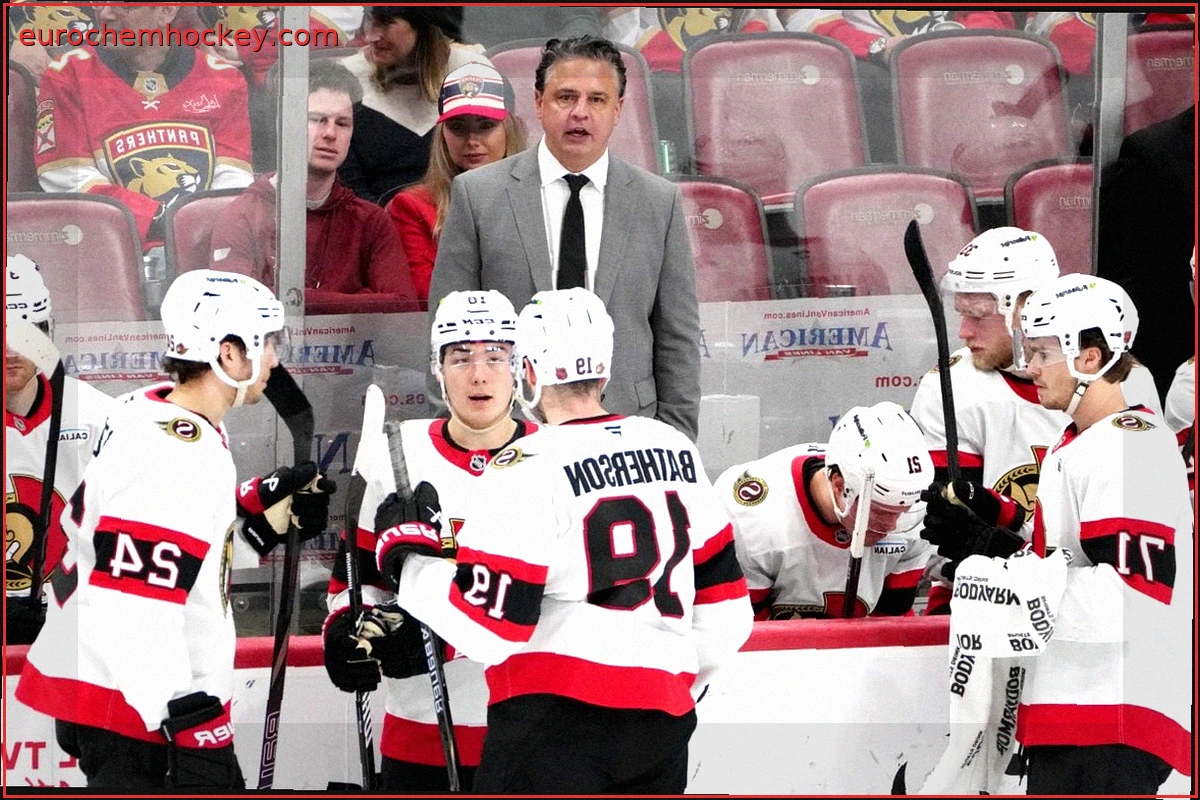
Travis Green's Injury Updates for Senators Remain Unclear; Ullmark Called "Fine"
Travis Green, the Ottawa Senators’ head coach, has consistently given vague responses regarding player injuries. While the NHL lacks strict injury disclosure rules compared to some other leagues, recent updates on Linus Ullmark and Jake Sanderson have raised more questions than answer
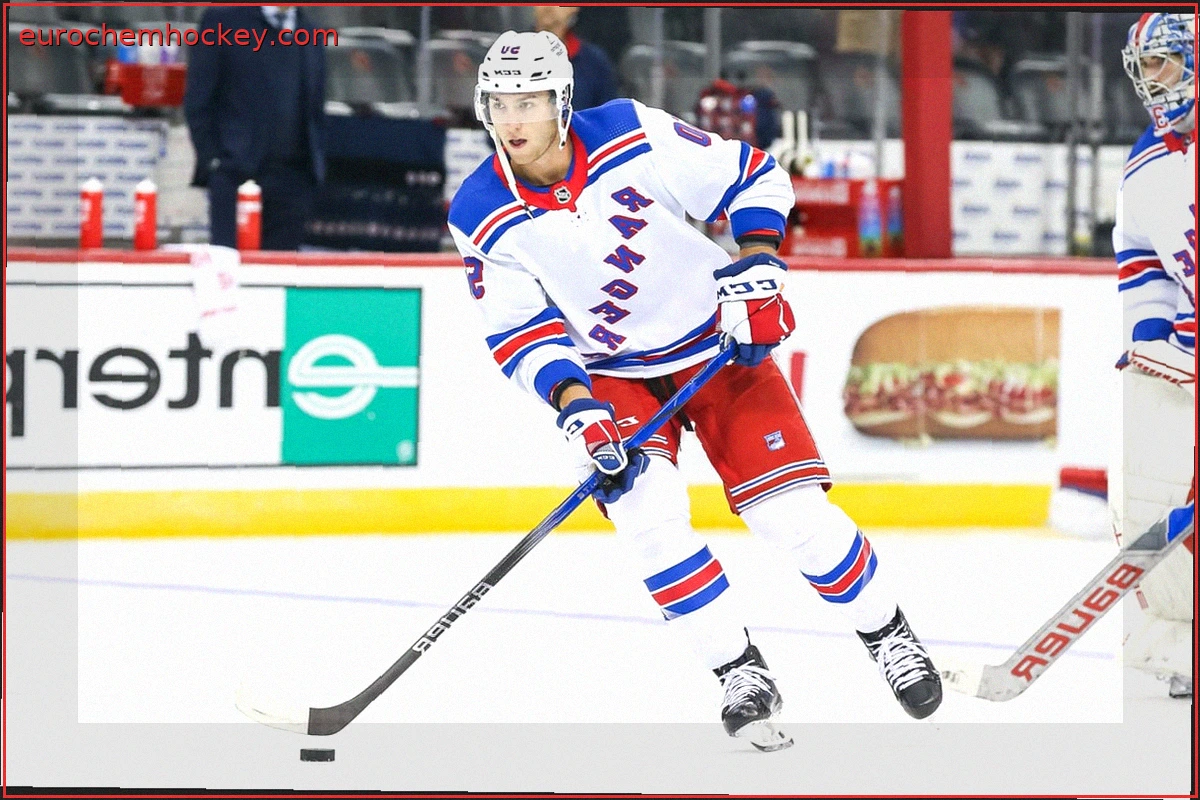
Rangers' Bottom-Six Forwards Start Strong
The Rangers lacked forward depth last season, often relying on a struggling Conor Sheary in their top six. General manager Chris Drury addressed this by adding numerous forwards in the offseason, creating a more balanced lineup. This season, the Rangers' bottom-six forwards have perfor
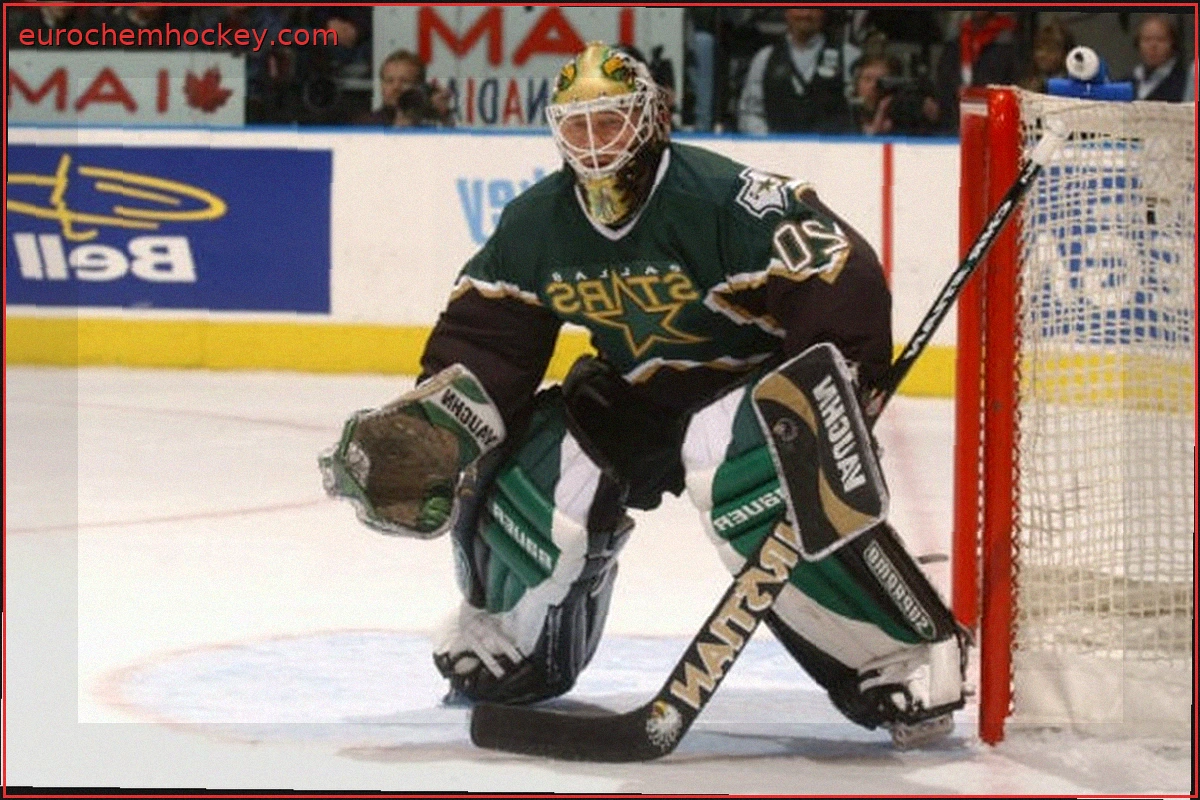
NHL's Most Unusual Superstitions Throughout History
Professional hockey players often employ peculiar superstitions to enhance their performance on the ice. Beyond rigorous training, many NHL stars have adopted strange rituals in pursuit of success. Patrick Roy's Goalpost Conversations Hall of Fame goalie Patrick Roy spoke with his goa
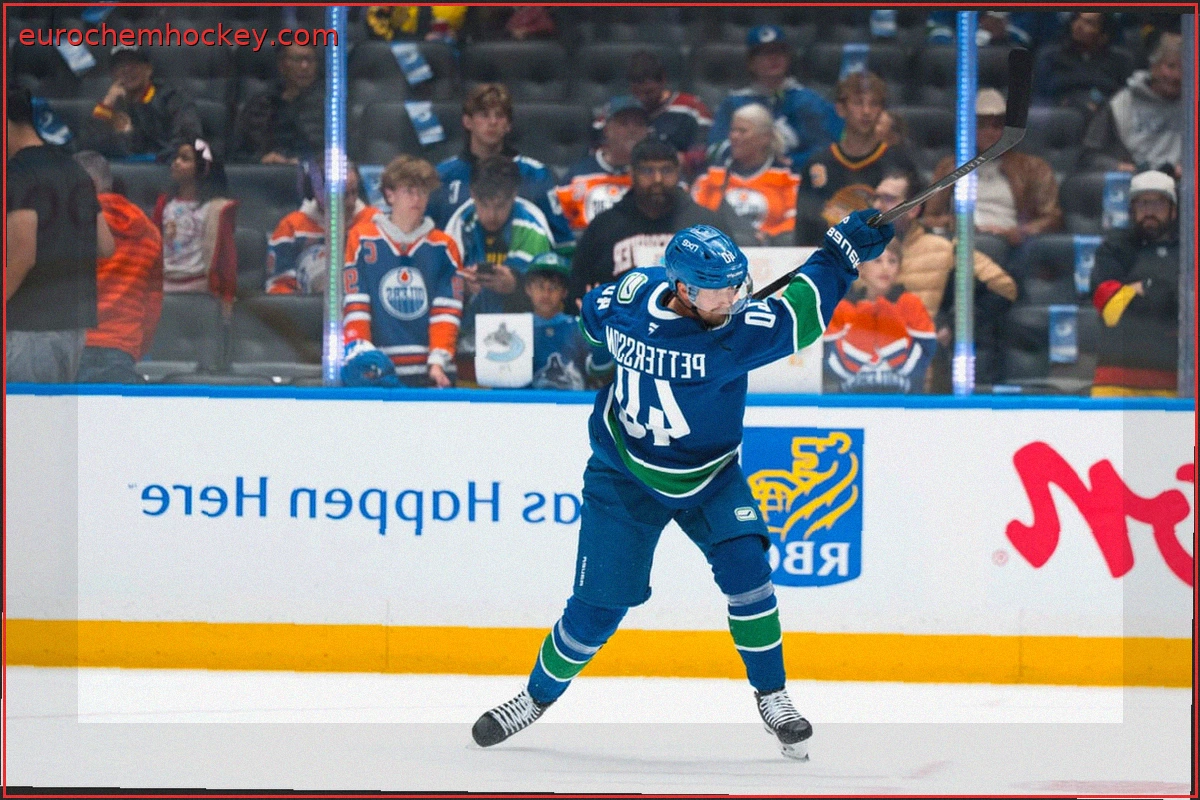
Canucks Gameday Preview: Homestand Continues vs. Flames
The Vancouver Canucks, known for high-scoring games this season with a 6-5 win and a 9-7 loss against the Edmonton Oilers, now face the Calgary Flames. The Flames are also in a transitional period, coming off a 6-1 defeat to the Seattle Kraken.
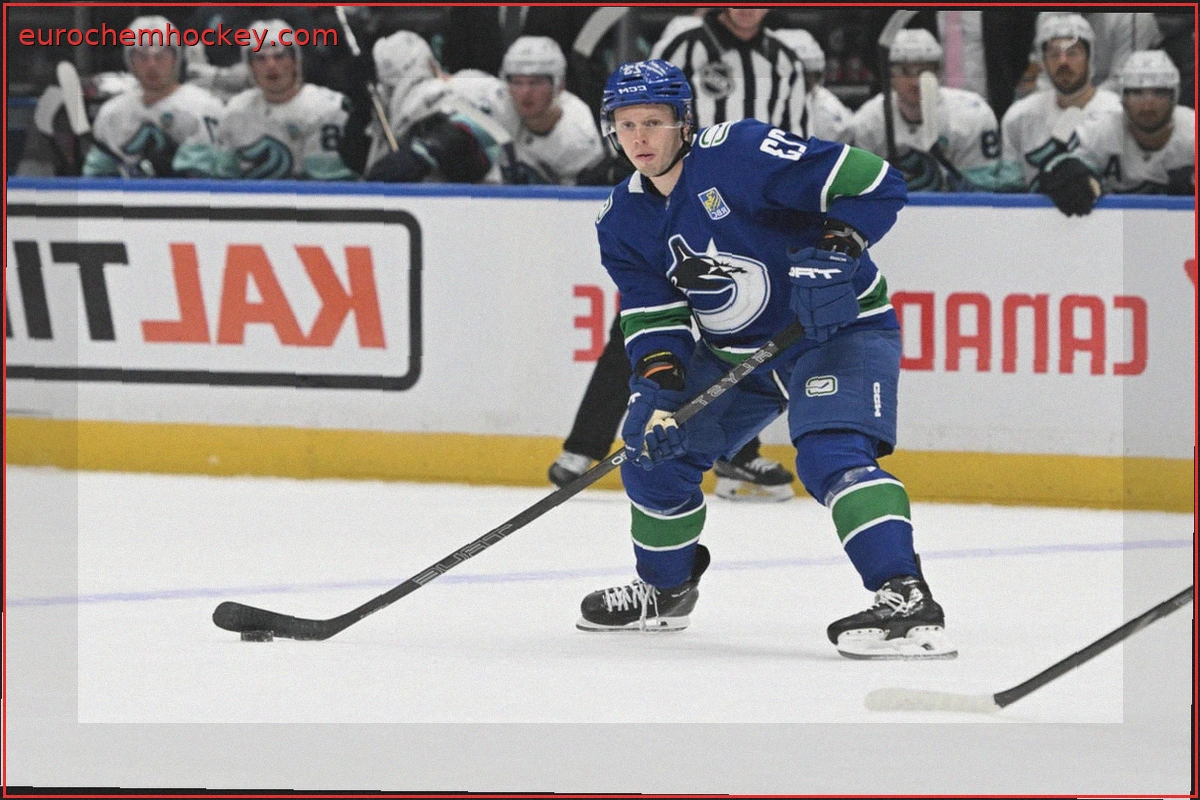
Marco Rossi's Strong Start: A Glimpse of Hope for Canucks Rebuild
The Vancouver Canucks kicked off the 2026-27 season with high-scoring games against the Edmonton Oilers, seeing a combined 27 goals over two contests. While the Oilers took a 9-7 victory on October 1st in Vancouver, following the Canucks' 6-5 overtime win on September 29th in Edmonton, forward Marc
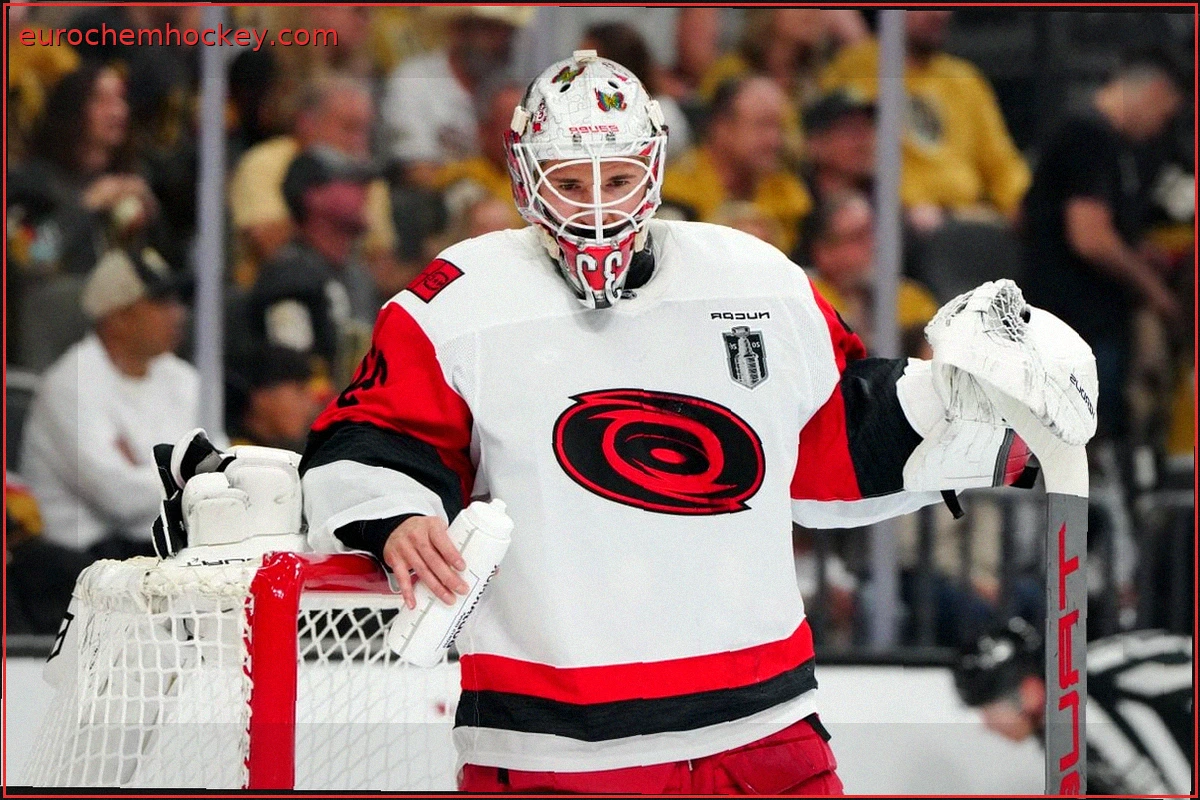
Brandon Bussi's Strong Start as Hurricanes' 1A Goalie Bodes Well
Brandon Bussi showed promise in his first game as the Carolina Hurricanes’ starting 1A goalie for the 2026-27 season. While the team lost its opening night match, Bussi’s performance offered a positive sign amidst lingering questions about the team’s goaltending after Frederik Andersen